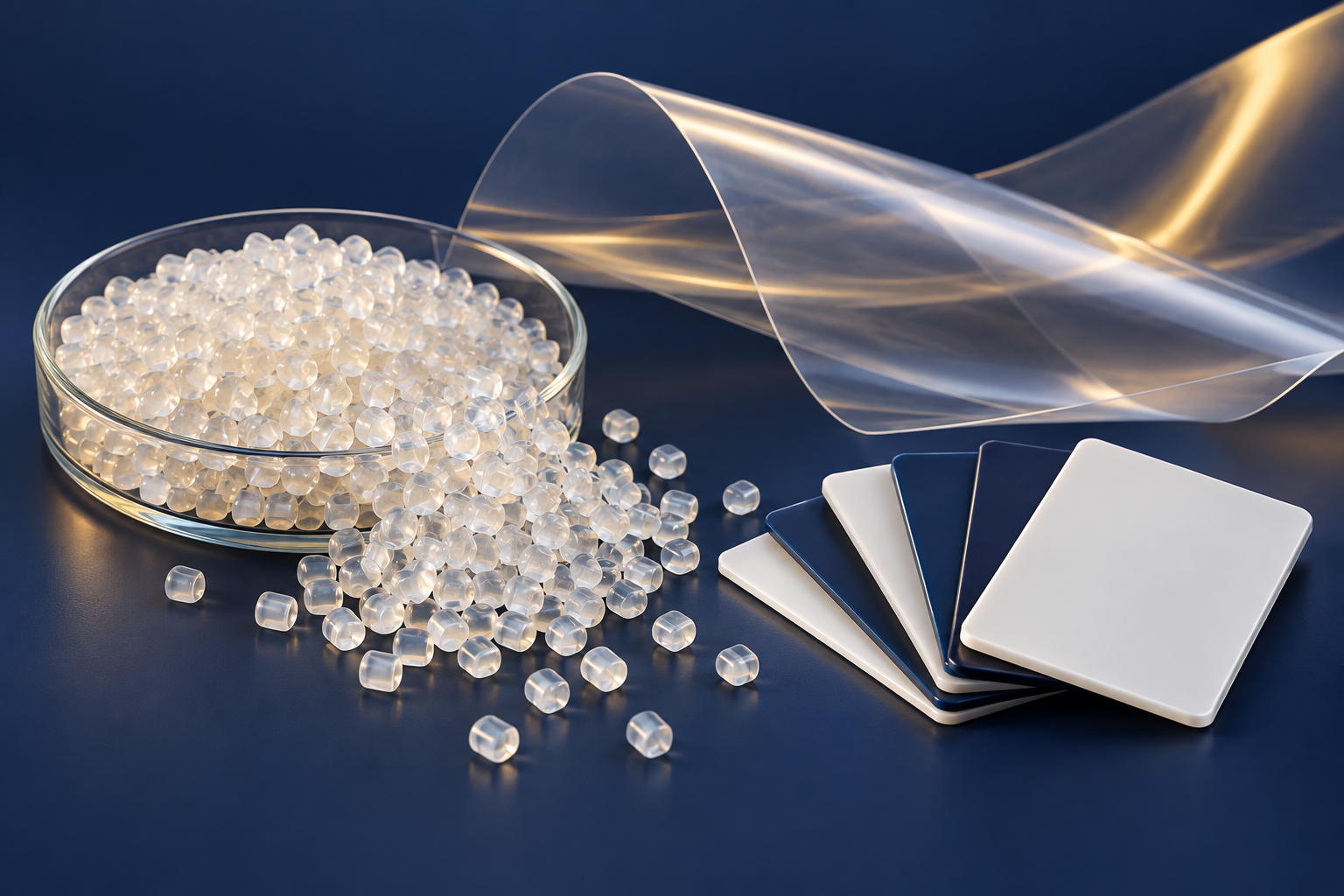
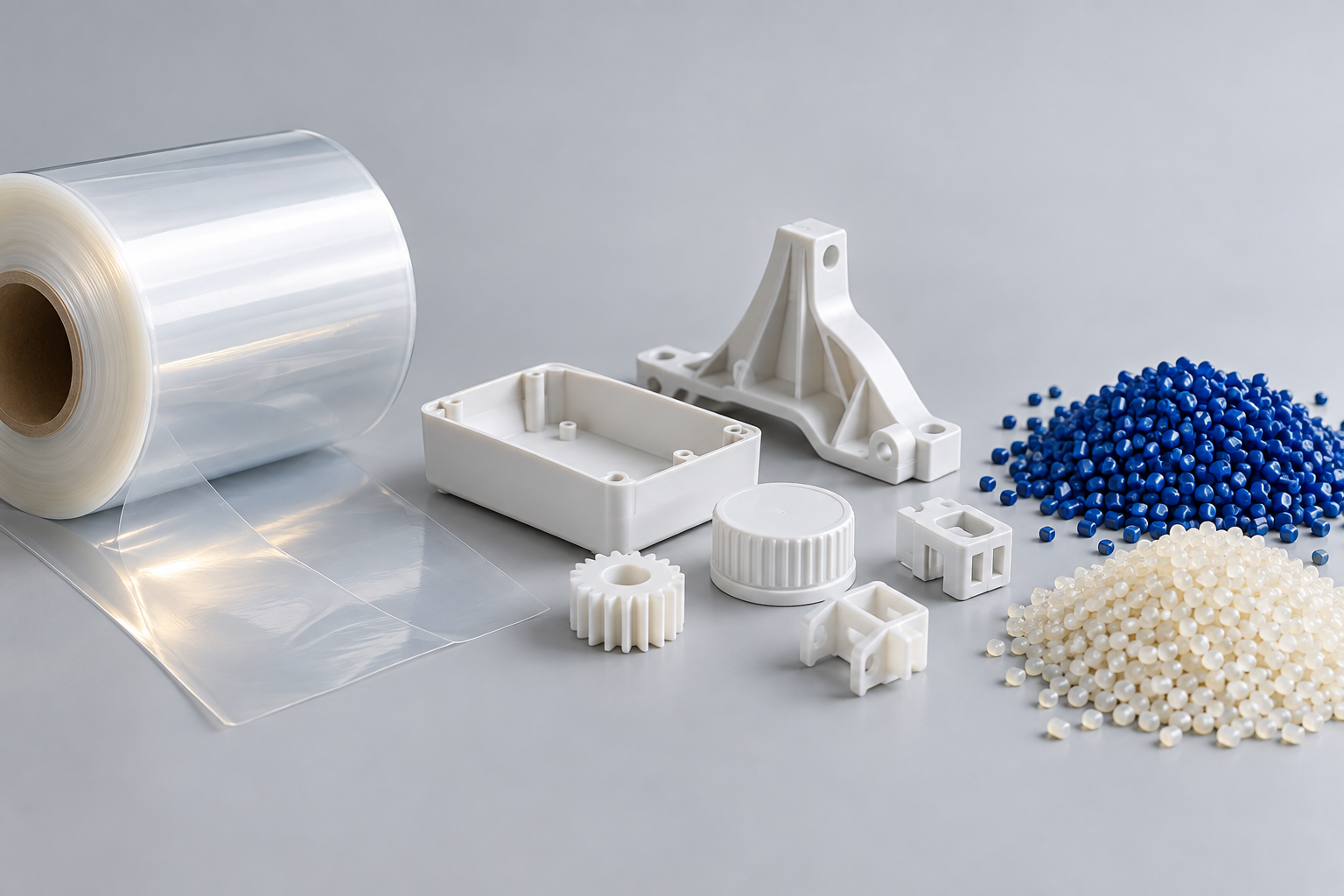
SUNNOX® 168 is a phosphite processing stabilizer (equivalent to Irgafos® 168) based on tris(2,4-di-tert-butylphenyl) phosphite, providing excellent processing stability and color retention for polyolefins and engineering plastics. It works synergistically with hindered phenolic antioxidants to provide comprehensive thermal and oxidative protection during polymer processing. SUNCHEM supports international buyers with SUNNOX® 168 sourcing from qualified Chinese producers, with quality documentation, export coordination, and logistics support.
Applications & Uses
Processing stabilizer for polyolefins (PE, PP)
Phosphite antioxidant in polymer compounding
Synergistic co-stabilizer with phenolic antioxidants
SUNNOX® 168 sourcing requires careful verification of manufacturers, compliance with export documentation, and proper logistics management. SUNCHEM supports global customers by connecting them with qualified Chinese producers and managing the key steps from sourcing to shipment.
Qualified Producer Selection
We help customers identify suitable Chinese manufacturers based on product specifications, production scale, quality records, and export capability.
Quality & Document Support
We coordinate documents including COA, MSDS, TDS, product specifications, and other export-related documents required for international trade.
Export & Logistics Coordination
SUNCHEM works with experienced logistics partners to ensure safe and compliant shipment arrangements, including proper handling for regulated materials.
Flexible Sourcing Solutions
Whether you require regular commercial supply, trial orders, or long-term procurement support, we match suitable supply sources to your requirements.
Long-Term Supply Management
We help manage supplier communication, quality follow-up, shipment schedules, and supply chain stability.
Ready to Source SUNNOX® 168 from China?
Send us your required purity, quantity, destination port, and documentation needs. Our team will respond with quotation details and available product documents.
Yes. SUNCHEM helps international buyers source SUNNOX® 168 from qualified Chinese producers and supports quotation, documentation, packaging, and export coordination according to customer requirements.
The CAS number of SUNNOX® 168 is 31570-04-4.
Available documents may include COA, SDS / MSDS, TDS, product specification, packing information, and other export-related documents depending on supplier availability and order requirements.
Yes. For suitable orders, SUNCHEM can coordinate COA and MSDS / SDS documents for customer review before shipment.
Please provide the product name, CAS number, required purity or specification, order quantity, destination port or country, packaging requirements, and any required documents.
Yes. SUNCHEM can coordinate export documentation, packaging discussion, and logistics arrangements with experienced partners according to product properties and destination requirements.
SUNNOX® 168 may be subject to regulatory control in certain countries or regions. Customers should confirm local import requirements before placing an order. SUNCHEM can support documentation and shipment coordination based on applicable trade requirements.
Yes. SUNCHEM can support regular supply, trial orders, and long-term procurement projects by matching suitable Chinese producers and following up on quality, documents, shipment schedules, and supply stability.
Antioxidant 168 (SUNNOX® 168) — Secondary Antioxidant for Processing Stability
A phosphite secondary antioxidant that decomposes hydroperoxides formed during polymer processing, protecting color and mechanical properties — engineered to work alongside Antioxidant 1010 for complete oxidative protection.
CAS 31570-04-4Secondary Antioxidant · PhosphiteSame Category as Irgafos® 168✓ Quality-Controlled Sourcing✓ Export Documentation Support✓ Multi-Office Global Team
Direct Technical ContactNot a generic contact-form black hole
Export & Compliance SupportDocumentation coordinated per shipment
Product Overview
WHAT IS ANTIOXIDANT 168?
Antioxidant 168 (SUNNOX® 168, CAS 31570-04-4) is a phosphite secondary antioxidant belonging to the same product category as Irgafos® 168, a widely recognized industry reference point. It is based on tris(2,4-di-tert-butylphenyl) phosphite and used across polyolefins, engineering plastics, and other polymer systems as a processing stabilizer.
WHY IS IT USED?
As a secondary antioxidant, Antioxidant 168 decomposes hydroperoxides — unstable intermediates that form when polymers are exposed to heat and shear during processing. Left untreated, hydroperoxides break down into new free radicals and accelerate degradation. Antioxidant 168 converts them into stable, non-radical products before that chain reaction can restart, which is a different mechanism from a primary antioxidant such as Antioxidant 1010, which scavenges free radicals directly.
WHAT CHALLENGES DO BUYERS FACE WITHOUT IT?
Processing-stage discoloration — hydroperoxide buildup during melt processing drives yellowing and loss of clarity, even when a primary antioxidant is already present. Reduced antioxidant system life — without a phosphite secondary, hydroperoxides accelerate the consumption of primary phenolic antioxidants, shortening their effective protection window. Quality consistency — as with any polymer additive, inconsistent performance from batch to batch creates unpredictable finished-product quality.
HOW DOES IT HELP POLYMER MANUFACTURERS?
Antioxidant 168 helps hold color and clarity steady through repeated heat history in extrusion, injection molding, and compounding, and extends the effective protection window of the primary antioxidant it is paired with. Antioxidant 168 is frequently used alongside a primary antioxidant such as Antioxidant 1010 for broader, complementary protection — see the synergy section below.
Technical Specifications
CHEMICAL INFORMATION
CAS No.
31570-04-4
Chemical Formula
C42H63O3P
Chemical Synonyms
Irgafos® 168; Irganox® 168; Songnox® 1680; Hostanox PAR 24; ADK Stab 2112; Alkanox 240; Tris(2,4-di-tert-butylphenyl) phosphite — full synonym list available on request
PROPERTIES
Melting Point
181–184 °C (lit.)
Boiling Point
594.2 °C at 760 mmHg
Flash Point
394 °C
Appearance
Pending SUNCHEM confirmation — typical commercial form (e.g. powder/granule) to be confirmed against the actual sourced grade
Storage Recommendation
Pending SUNCHEM confirmation — phosphite antioxidants are generally moisture/hydrolysis-sensitive; specific storage temperature and shelf-life data to be confirmed
APPLICATION NOTES
Antioxidant Type
Secondary (phosphite), hydroperoxide decomposer
Common Pairing
Frequently combined with a primary phenolic antioxidant — e.g. Antioxidant 1010 — for synergistic protection
Dosage
Pending SUNCHEM confirmation — varies by polymer and process; contact SUNCHEM's technical team for guidance specific to your application
Applications & Industries Served
Polyolefins (PE / PP)
Melt-processing stabilizer that helps prevent chain scission and color degradation during extrusion and injection molding.
Engineering Plastics (PA, PET)
Processing stabilizer for higher-temperature compounding, where oxidation risk rises with processing temperature.
Film & Fiber Extrusion
High-surface-area processes are especially oxidation-sensitive; helps maintain clarity and mechanical strength through repeated thermal cycling.
Compounding & Masterbatch
Standard co-stabilizer paired with a primary phenolic antioxidant, such as Antioxidant 1010, in stabilizer packages.
Food-Contact Polymer Packaging
Used in food-contact resin systems in the industry. Pending SUNCHEM confirmation of the specific regulatory reference (FDA/EU) for the sourced grade before this is stated as a compliance claim.
Why Antioxidant 168 Is Used With Antioxidant 1010
Antioxidant 168 (secondary, phosphite) and Antioxidant 1010 (primary, hindered phenolic) protect polymers at two different points in the oxidative degradation cycle. Antioxidant 1010 scavenges free radicals as they form, interrupting the chain reaction. Antioxidant 168 decomposes the hydroperoxides that accumulate as a by-product of that same reaction, before they can break down into new radicals and restart the cycle.
Used together, the two provide more complete and longer-lasting protection than either used alone — Antioxidant 168 also helps protect Antioxidant 1010 from being consumed too quickly, extending the useful stabilization window during high-temperature processing.
Dosage guidance pending SUNCHEM confirmation: industry practice commonly pairs primary and secondary antioxidants at roughly a 1:1 to 2:1 ratio (primary : secondary) in polyolefin stabilizer packages, though the exact ratio depends on resin type, processing conditions, and end-use requirements. This range is general industry guidance, not a verified SUNCHEM-specified figure — to be confirmed by SUNCHEM's technical team before publishing.
Comparison / Equivalents — Antioxidant 168 vs Antioxidant 1010
Antioxidant 168 (SUNNOX® 168)
Antioxidant 1010 (SUNNOX® 1010)
CAS No.
31570-04-4
6683-19-8
Type
Secondary antioxidant (phosphite)
Primary antioxidant (hindered phenolic)
Mechanism
Hydroperoxide decomposer
Free-radical scavenger
Primary Role
High-temperature processing stability
Long-term thermo-oxidative protection
Often Combined With
Antioxidant 1010 (see right)
Antioxidant 168 (see left)
Antioxidant 168 and Antioxidant 1010 act through different, complementary mechanisms — peroxide decomposition versus radical scavenging. Combining them provides broader protection across both the high-heat processing stage and the long-term service life of the finished polymer, a standard antioxidant system pairing in the plastics industry. For a full breakdown of when to use each, or both, see Antioxidant 1010 vs 168: How to Choose. View Antioxidant 1010 →
SUNNOX® 168 is SUNCHEM's sourced equivalent to the phosphite antioxidant widely known by the trade name Irgafos® 168, sharing the same CAS number (31570-04-4) and chemical structure.
Why Source Antioxidant 168 From SUNCHEM
Sourcing SUNNOX® 168 requires careful verification of manufacturers, compliance with export documentation, and proper logistics management — including packaging and handling suited to a moisture-sensitive phosphite antioxidant. SUNCHEM supports global customers by connecting them with qualified Chinese producers and managing the key steps from sourcing to shipment.
Qualified Producer Selection
We help customers identify suitable Chinese manufacturers based on product specifications, production scale, quality records, and export capability.
Quality & Document Support
We coordinate documents including COA, SDS, TDS, product specifications, and other export-related documents required for international trade.
Export & Logistics Coordination
SUNCHEM works with experienced logistics partners to ensure safe and compliant shipment arrangements, including proper handling for moisture-sensitive materials.
Flexible Sourcing Solutions
Whether you require regular commercial supply, trial orders, or long-term procurement support, we match suitable supply sources to your requirements.
Long-Term Supply Management
We help manage supplier communication, quality follow-up, shipment schedules, and supply chain stability.
SUNCHEM Supply Chain Process
1
Customer Requirement
Purity, packaging, and destination captured.
2
Supplier Evaluation
Manufacturers qualified for phosphite-antioxidant handling and consistency.
3
Quality Confirmation
Assay, appearance, melting point verified against spec.
4
Production Coordination
Scheduling and tracking managed with the manufacturer.
5
Inspection & Documentation
Pre-shipment inspection; COA and packing docs prepared.
6
Export Management
Export documentation and compliance requirements handled.
7
Global Delivery
Coordinated through to destination, one point of contact.
Phosphite antioxidants are moisture-sensitive, quality-sensitive inputs — small purity or handling variation can measurably affect polymer processing results. This process gives Antioxidant 168 buyers consistent, verified quality batch to batch, without managing supplier relationships in China directly.
Documents & Quality
Public Documents
Certificate of Analysis (COA), Safety Data Sheet (SDS), and Technical Data Sheet (TDS) are available upon request.
Pending SUNCHEM confirmation: a published assay/purity specification (e.g. an exact percentage figure) is not yet stated on this page. Recommend confirming the typical sourced-grade specification so it can be published directly rather than only offered on request.
Controlled Documents
For a batch-specific Certificate of Analysis matching your order, or customer-specific documentation, contact our team — we'll provide current documents for your shipment.
Typical packaging options are available for Antioxidant 168. Contact SUNCHEM to confirm current packaging options for your order.
MOQ & Lead Time
Minimum order quantities and lead times depend on current production and your specific requirements — contact SUNCHEM for a solution tailored to your order.
Export & Shipping
SUNCHEM manages export documentation and shipping coordination, arranged per order based on destination and customer requirements.
Frequently Asked Questions
What is Antioxidant 168 used for?
Antioxidant 168 is a phosphite processing stabilizer used during polymer manufacturing to protect against heat- and shear-induced oxidative degradation, primarily in polyolefins (PE, PP) and engineering plastics. It is typically used alongside a primary antioxidant such as Antioxidant 1010.
What is the difference between Antioxidant 168 and Antioxidant 1010?
Antioxidant 168 is a secondary (phosphite) antioxidant that decomposes hydroperoxides; Antioxidant 1010 is a primary (phenolic) antioxidant that scavenges free radicals. They address different stages of polymer oxidative degradation and are commonly used together.
Is Antioxidant 168 the same as Irgafos® 168?
SUNNOX® 168 shares the same CAS number (31570-04-4) and chemical structure as the antioxidant widely known under the trade name Irgafos® 168. SUNCHEM sources it from qualified Chinese manufacturers as a specification-equivalent product.
What ratio of Antioxidant 168 to Antioxidant 1010 is typically used?
Pending SUNCHEM technical confirmation. General industry practice ranges roughly 1:1 to 2:1, depending on resin and processing conditions — contact SUNCHEM's technical team for guidance specific to your application.
Is Antioxidant 168 suitable for food-contact applications?
Pending SUNCHEM regulatory confirmation. A specific FDA/EU reference for the sourced grade has not yet been confirmed — contact SUNCHEM for current compliance documentation.
How is Antioxidant 168 packaged and stored?
Pending SUNCHEM confirmation. Phosphite antioxidants are generally moisture-sensitive; contact SUNCHEM to confirm current packaging and storage recommendations.
Sourcing Antioxidant 168? Let's manage it together.
Tell us your specification, application, and destination — SUNCHEM will manage supplier evaluation, quality verification, and export, from requirement to delivery.
Or contact our team directly — Email: david@sunchemgroup.com · Tel/WhatsApp: +86-18605204888
Antioxidant 168 is part of SUNCHEM's Polymer Antioxidants range — compare it with Antioxidant 1010, 1076, DSTDP, and DLTDP, or browse buyer guides for your application.
Antioxidant 1010 is part of SUNCHEM's Polymer Antioxidants range — compare it with Antioxidant 1076, 168, DSTDP, and DLTDP, or browse buyer guides for your application.
Looking for antioxidants specifically? Explore SUNCHEM's Antioxidants Knowledge Hub for product comparisons, buyer guides, and application fit across Antioxidant 1010, 1076, 168, DSTDP, and DLTDP.
Trusted China-Based Chemical Sourcing Partner|
Antioxidant Category Specialist|
Export Documentation & Compliance Support
Polymer oxidation follows a chain reaction: heat, UV radiation, mechanical shear, or metal contamination generates free radicals, which react with oxygen and continue the chain. Left unchecked, this leads to yellowing, embrittlement, melt-flow changes, and surface degradation.
Antioxidants interrupt this process in one of two ways — primary antioxidants scavenge free radicals directly, while secondary antioxidants decompose the hydroperoxide intermediates that would otherwise reinitiate the chain. Most real-world polymer systems use both, in combination. See the full explanation in How Antioxidants Improve Polymer Stability.
Note: thioesters (DSTDP, DLTDP) are mechanistically also secondary antioxidants — hydroperoxide decomposers, the same functional role as phosphites like Antioxidant 168. They are shown as a separate branch here because that is the more buyer-navigable grouping, not because the underlying chemistry differs from the secondary-antioxidant family.
Product Comparison
Product
CAS No.
Branch
Mechanism
Best For
Antioxidant 1010
6683-19-8
Primary
Radical scavenger
Default primary choice; broad polyolefin / engineering plastic use
Using only a primary antioxidant leaves hydroperoxides to accumulate. Using only a secondary antioxidant does not scavenge radicals during processing. Combining a primary with a secondary or thioester option addresses both degradation pathways — this is why paired systems, not single additives, are the industry-standard approach for polyolefins.
Common Synergistic Systems
Antioxidant 1010 + 168 — the most widely used polyolefin system. Antioxidant 1010 + DSTDP — a cost-effective long-term stabilization option in PP/PE. Antioxidant 1010 + 168 + HALS — full stabilization for outdoor applications (HALS addresses UV exposure and is outside this hub’s current product scope).
Choosing Between Antioxidant 1010 and Antioxidant 1076
Both are primary hindered-phenolic antioxidants. The verified difference between them is structural and physical: Antioxidant 1010 is a tetra-functional ester with a higher melting point, while Antioxidant 1076 is a mono-functional ester with a lower melting point (50–52°C), which can make it easier to handle or disperse in certain processes. Contact SUNCHEM’s technical team to discuss which fits your specific processing conditions.
Application & Industry Fit
PP (Polypropylene)
Primary (1010 or 1076) combined with a secondary or thioester antioxidant for processing and long-term stability.
PE (Polyethylene)
Primary antioxidant plus a thioester (DSTDP/DLTDP) for long-term buried or outdoor service.
Engineering Plastics
Primary antioxidant plus Antioxidant 168 for high processing-temperature stability.
Automotive Materials
Primary + secondary combination for heat-cycling resistance across long service life.
Packaging & Fibers
Low-volatility primary antioxidant grade is typically preferred.
Rubber & Elastomers
Primary hindered-phenolic antioxidants support long-term thermal and oxidative stability.
Why Source Antioxidants From SUNCHEM
Qualified Producer Selection
We evaluate and qualify manufacturers across phenolic, phosphite, and thioester antioxidant chemistries.
Quality & Document Support
COA, SDS, TDS, and export-related documentation coordinated for whichever product or combination you need.
Technical Communication
Direct discussion of cross-product questions — choosing between 1010 and 1076, or building a primary+secondary system.
Export & Logistics Coordination
Consistent export documentation and shipping coordination across the full antioxidant range.
Tell us your polymer system, processing conditions, and application — SUNCHEM will help you choose between primary, secondary, and thioester options, then manage sourcing from requirement to delivery.
Email: david@sunchemgroup.com · Tel/WhatsApp: +86-18605204888 · Offices: Yangzhou · Hong Kong · Osaka · Seoul
Trusted China-Based Chemical Sourcing Partner|
Offices: Yangzhou · Hong Kong · Osaka · Seoul|
Export Documentation & Compliance Support
SUNNOX® 1010 Antioxidant (Antioxidant 1010) — CAS 6683-19-8
A reliable hindered phenolic primary antioxidant for polymer processing and long-term stability — sourced, quality-verified, and export-managed by SUNCHEM.
CAS 6683-19-8Primary Antioxidant · Hindered PhenolicSame Category as Irganox® 1010
✓ Quality-Controlled Sourcing✓ Export Documentation Support✓ Multi-Office Global Team
Prevents oxidative degradation during processing and long-term service life
Applications
Polyolefins, engineering plastics, PVC & rubber, food-contact polymers, fibers & film, adhesives — see full list below
Multi-Office Global Team Yangzhou · Hong Kong · Osaka · Seoul
Documented Sourcing Process Supplier evaluation → export delivery
Direct Technical Contact Not a generic contact-form black hole
Export & Compliance Support Documentation coordinated per shipment
Product Overview
What is Antioxidant 1010?
Antioxidant 1010 (SUNNOX® 1010, CAS 6683-19-8) is a hindered phenolic primary antioxidant belonging to the same product category as Irganox® 1010, a widely recognized industry reference point. It is based on pentaerythrityl tetrakis[3-(3,5-di-tert-butyl-4-hydroxyphenyl)propionate] and used across a broad range of polymers, plastics, and elastomers.
Why is it used?
As a primary antioxidant, Antioxidant 1010 acts as a free-radical scavenger — it interrupts the oxidative chain reaction that breaks down polymer molecules when they are exposed to heat, processing stress, or long-term environmental exposure.
What challenges do buyers face without it?
Oxidation — untreated polymers degrade under heat and processing stress, leading to yellowing, embrittlement, and lost mechanical strength. Processing stability — without adequate protection, the polymer melt can break down during the repeated heat history of extrusion, injection molding, and fiber spinning, risking scrap and rework. Quality consistency — inconsistent antioxidant performance from batch to batch creates unpredictable finished-product quality, which is exactly why supplier verification and quality control matter as much as the raw specification.
How does it help polymer manufacturers?
Consistent antioxidant performance lets manufacturers hold mechanical and optical properties steady batch to batch, reduces reject/scrap rates tied to visible degradation, and supports the service-life claims manufacturers make to their own customers. Antioxidant 1010 is frequently used alongside secondary antioxidants such as Antioxidant 168 for broader, complementary protection — see comparison below.
Frequently combined with secondary antioxidants (e.g. Antioxidant 168) for synergistic protection
Dosage
Varies by polymer and process — contact SUNCHEM's technical team for guidance specific to your application
Applications & Industries Served
Polyolefins (PE / PP / PB)
High processing temperatures and long service-life expectations make polyolefins especially reliant on stable, low-volatility primary antioxidant protection.
Engineering Plastics (PA, PET)
Higher processing temperatures raise oxidation risk during compounding and molding; Antioxidant 1010 helps hold color and mechanical strength steady.
PVC & Rubber Compounds
Protects against oxidative degradation across a range of elastomer and PVC formulations.
Food-Contact Polymers
Supports stabilization requirements relevant to food-contact packaging applications.
Fiber & Film Extrusion
High-surface-area processes are especially oxidation-sensitive; low-volatility antioxidants resist plate-out during extrusion.
Adhesives, Sealants & Lubricants
Also used as an antioxidant additive in adhesive, sealant, and lubricant/oil formulations.
Why Source Antioxidant 1010 From SUNCHEM
Sourcing SUNNOX® 1010 requires careful verification of manufacturers, compliance with export documentation, and proper logistics management. SUNCHEM supports global customers by connecting them with qualified Chinese producers and managing the key steps from sourcing to shipment.
Qualified Producer Selection
We help customers identify suitable Chinese manufacturers based on product specifications, production scale, quality records, and export capability.
Quality & Document Support
We coordinate documents including COA, SDS, TDS, product specifications, and other export-related documents required for international trade.
Export & Logistics Coordination
SUNCHEM works with experienced logistics partners to ensure safe and compliant shipment arrangements, including proper handling for regulated materials.
Flexible Sourcing Solutions
Whether you require regular commercial supply, trial orders, or long-term procurement support, we match suitable supply sources to your requirements.
Long-Term Supply Management
We help manage supplier communication, quality follow-up, shipment schedules, and supply chain stability.
SUNCHEM Supply Chain Process
1Customer RequirementPurity, particle-size, polymer system, and destination captured.
2Supplier EvaluationManufacturers qualified for polymer-grade consistency are identified.
3Quality ConfirmationAssay, appearance, melting point verified against spec.
4Production CoordinationScheduling and tracking managed with the manufacturer.
5Inspection & DocumentationPre-shipment inspection; COA and packing docs prepared.
6Export ManagementExport documentation and compliance requirements handled.
7Global DeliveryCoordinated through to destination, one point of contact.
Hindered phenolic antioxidants are quality-sensitive inputs — small purity or consistency variation can measurably affect polymer processing results. This process gives Antioxidant 1010 buyers consistent, verified quality batch to batch, without managing supplier relationships in China directly.
Documents & Quality
Public Documents
Download the current SUNNOX® 1010 Technical Data Sheet and Safety Data Sheet below.
For a batch-specific Certificate of Analysis matching your order, or customer-specific documentation, contact our team — we'll provide current documents for your shipment.
Typical packaging options are available for Antioxidant 1010. Contact SUNCHEM to confirm current packaging options for your order.
MOQ & Lead Time
Minimum order quantities and lead times depend on current production and your specific requirements — contact SUNCHEM for a solution tailored to your order.
Export & Shipping
SUNCHEM manages export documentation and shipping coordination, arranged per order based on destination and customer requirements.
Comparison / Equivalents — Antioxidant 1010 vs Antioxidant 168
Antioxidant 1010 (SUNNOX® 1010)
Antioxidant 168
CAS No.
6683-19-8
31570-04-4
Type
Primary antioxidant (hindered phenolic)
Secondary antioxidant (phosphite)
Mechanism
Free-radical scavenger
Hydroperoxide decomposer
Primary Role
Long-term thermo-oxidative protection
High-temperature processing stability
Often Combined With
Antioxidant 168 (see right)
Antioxidant 1010 (see left)
Antioxidant 1010 and Antioxidant 168 act through different, complementary mechanisms — radical scavenging versus peroxide decomposition. Combining them provides broader protection across both the high-heat processing stage and the long-term service life of the finished polymer, a standard antioxidant system pairing in the plastics industry. View Antioxidant 168 →
Sourcing Antioxidant 1010? Let's manage it together.
Tell us your specification, application, and destination — SUNCHEM will manage supplier evaluation, quality verification, and export, from requirement to delivery.
Or contact our team directly — Email: david@sunchemgroup.com · Tel/WhatsApp: +86-18605204888
More Questions About Resin Raw Materials?
See more answers on PA grades, petroleum resins, PVA, and other polymer material topics in our full FAQ.
Answers about antioxidants, UV stabilizers, flame retardants and polymer additives for global buyers sourcing from China.
Plastic Additives
Are plastic additives suitable for food-contact or regulated applications?+
Suitability depends on the exact additive grade, polymer, use level, food type, temperature and destination market. A general technical grade should not automatically be described as food-contact compliant. Buyers should define the applicable regulation and request supporting declarations, substance identity, purity data and migration or extraction information where required. SUNCHEM can check available documentation for a specific product and supplier, but the finished-material manufacturer remains responsible for confirming compliance of the final formulation and article.
Can UV absorbers and HALS be used together in the same plastic formulation?+
Yes. UV absorbers and HALS are frequently used together because they protect the polymer through different mechanisms. The UV absorber reduces the amount of damaging radiation entering the material, while the HALS suppresses radical reactions caused by photo-oxidation. The optimum ratio depends on polymer type, article thickness, pigment system, outdoor exposure and service-life target. Compatibility must also be checked because acidic additives, certain pigments and some flame-retardant systems can reduce HALS effectiveness.
Can you provide COA, SDS/MSDS, and TDS?+
Yes. COA, SDS and TDS are available for suitable products. Availability depends on the exact product, manufacturer, destination market and order stage. Additional declarations or test reports can be checked case by case after the buyer provides the product, application and regulatory requirements.
Can you supply both branded and custom specifications?+
SUNCHEM supplies selected branded product lines and can evaluate custom specifications or alternative grades through qualified manufacturing partners. Feasibility depends on chemistry, volume, test methods, regulatory requirements and development cost. Custom products require technical review and sample approval before commercial supply.
Do you support long-term supply agreements?+
Yes. SUNCHEM can support scheduled deliveries, annual-volume planning, specification management, quality documentation and supply-risk coordination for approved products. Commercial terms depend on forecast accuracy, product availability, payment terms and destination logistics.
Do you support samples?+
Sample support is available for qualified evaluation projects, subject to product type, supplier policy, quantity, destination and shipping restrictions. Please provide the product or CAS number, target application, required quantity and courier details. Hazardous or restricted products may require additional review.
How can additive migration, blooming or plate-out be reduced?+
Migration and blooming usually occur when an additive has limited compatibility with the polymer, is used above its solubility limit, or is exposed to heat over time. Plate-out may also result from volatility, decomposition or interaction with lubricants and other formulation components. These problems can often be reduced by choosing a higher-molecular-weight or polymeric grade, lowering dosage, improving dispersion and checking the complete additive package. Processing temperature, cooling conditions and storage tests should be included in the evaluation.
How do I choose an antioxidant package for PP, PE, ABS or engineering plastics?+
Start with the polymer, processing temperature, residence time, expected service temperature and required regulatory status. PP and PE commonly use a hindered phenolic antioxidant together with a phosphite, while long-term heat ageing may require a thioester synergist. ABS and engineering plastics may need additives with higher thermal stability, lower volatility or better colour control. Other formulation components, including pigments, fillers, recycled resin and flame retardants, can change the required package. The final formulation should therefore be validated by melt-flow, colour, oven-ageing and application-specific testing.
How do I request a quotation?+
Send the product name or CAS number, required specification, quantity, application, destination port, preferred Incoterm and documentation requirements. These details allow SUNCHEM to confirm a suitable supply source, packaging, lead time and freight basis before issuing a quotation.
How do I select a halogen-free flame retardant for a plastic application?+
Selection begins with the polymer and the required fire standard, such as a target UL 94 rating, limiting oxygen index or smoke requirement. Phosphorus-based systems are commonly considered for PC/ABS, epoxy and intumescent polyolefin applications; melamine-based products are used in selected polyamides; and mineral flame retardants such as aluminum hydroxide or magnesium hydroxide require relatively high loadings. Mechanical properties, processing temperature, moisture sensitivity, electrical performance and colour must be evaluated together with flame resistance. A material described as halogen-free should also be checked against the customer's specific regulatory or test definition.
How much plastic additive should be used in a formulation?+
There is no universal dosage. Antioxidants, UV stabilizers and flame retardants have very different use levels, and the effective concentration depends on the polymer, processing history, product thickness, exposure conditions and performance target. Supplier starting ranges can be used for initial trials, but the lowest-cost formulation is not always the lowest dosage because synergistic combinations may perform better. Final dosage should be established through laboratory compounding and tests such as colour, melt-flow retention, oven ageing, weathering and the required flammability standard.
What are the main types of plastic additives and what does each type do?+
Plastic additives are selected according to the degradation or processing problem that must be controlled. Primary antioxidants interrupt oxidation reactions, while secondary antioxidants decompose hydroperoxides formed during processing. UV absorbers absorb harmful ultraviolet energy, and hindered amine light stabilizers (HALS) slow photo-oxidation. Flame retardants reduce ignition or flame spread, while processing aids, lubricants, nucleating agents and other specialty additives improve manufacturing or end-use performance. The correct package depends on the polymer, processing temperature, service environment and regulatory requirements.
What information is needed to recommend the right plastic additive?+
Please provide the polymer type and grade, processing method and maximum processing temperature, existing formulation, problem to be solved, target service life, exposure conditions, required test standard and destination-market compliance needs. For replacement projects, include the current additive name, dosage and performance gap. This information allows a supplier to compare suitable antioxidant, light-stabilizer, UV-absorber or flame-retardant options and reduces unnecessary trial work.
What is the difference between UV absorbers and HALS light stabilizers?+
UV absorbers protect polymers by absorbing ultraviolet radiation and converting it into less harmful energy. HALS do not mainly absorb UV light; instead, they interrupt the photo-oxidation cycle and regenerate during the stabilization process. UV absorbers are especially useful where sufficient material thickness allows effective absorption, while HALS are highly effective in many outdoor plastics, coatings and thin articles. In demanding applications, a UV absorber and a HALS are often combined to improve colour retention, gloss and mechanical-property retention.
What is the difference between plastic additives and masterbatch?+
A plastic additive is the functional chemical itself, while a masterbatch is a concentrated mixture of additives or pigments dispersed in a carrier resin. Masterbatch can simplify dosing, reduce dust and improve dispersion, but the carrier and active-content level must be compatible with the final polymer and process.
What is the difference between primary and secondary antioxidants for plastics?+
Primary antioxidants, commonly hindered phenols, donate hydrogen to free radicals and help stop the oxidation chain reaction during processing and service life. Secondary antioxidants, such as phosphites and thioesters, decompose hydroperoxides before they generate additional radicals. They are often used together because the combination provides better processing stability and longer-term heat ageing protection than either type alone. Selection and dosage should be confirmed through formulation trials because polymer type, temperature and exposure conditions strongly affect performance.
What plastic additives does SUNCHEM supply?+
SUNCHEM supplies antioxidants, light stabilizers, UV absorbers, flame retardants, optical brighteners, polymerization inhibitors and selected processing additives from qualified Chinese manufacturers. Core product lines include SUNNOX® antioxidants, SUNLIGHT® HALS, SUNSORB® UV absorbers and SUNFR® flame retardants. Availability, specification and documentation depend on the exact grade and intended application.
Plastic Additives Sourcing
Can SUNCHEM support equivalent-grade evaluation for branded plastic additives?+
SUNCHEM can help screen Chinese supply options against the buyer's target specification, application and documentation requirements. Equivalent-grade evaluation should compare chemical identity, active content, physical properties, impurity profile and performance in the customer's formulation. A proposed alternative should not be treated as automatically interchangeable; sampling and application testing remain necessary before commercial approval.
How can buyers compare plastic additive suppliers beyond price?+
Compare product identity, test methods, batch consistency, impurity profile, colour, volatility, packaging, documentation, production capacity and change-control practices. Also evaluate whether the supplier understands the application, can support samples and complaints, and can maintain supply during raw-material or logistics disruptions. A lower unit price may create higher total cost if quality variation causes production loss or reformulation.
How should plastic additives be stored and what affects shelf life?+
Most plastic additives should be kept in unopened original packaging in a cool, dry, well-ventilated area away from heat, direct sunlight and moisture. Liquid phosphites and hygroscopic products may require tighter moisture control, while powders should be protected from contamination and caking. Shelf life depends on the exact grade, packaging and storage conditions, so the supplier's product-specific recommendation should be followed.
What documents should be checked when sourcing plastic additives from China?+
Buyers should review the current specification, recent COA, SDS, TDS, manufacturing origin, packaging, shelf life and any required regulatory declarations. For sensitive applications, confirm test methods, impurity limits, registration status, food-contact support, RoHS or REACH information and change-control procedures. Documents should match the exact grade and manufacturer rather than a generic product name.
Antioxidants
How can yellowing caused by antioxidant degradation be reduced?+
Yellowing can result from excessive processing temperature, long residence time, an unsuitable antioxidant package, interactions with pigments or flame retardants, or contamination in recycled resin. It can often be reduced by improving temperature control, using a more hydrolytically stable phosphite, balancing primary and secondary antioxidants, and checking additive purity and compatibility. Comparative colour testing after extrusion and heat ageing is essential before changing the formulation.
What is the difference between Antioxidant 1010 and Antioxidant 1076?+
Antioxidant 1010 is a high-molecular-weight hindered phenolic antioxidant with very low volatility and is widely used in polyolefins, engineering plastics, elastomers and adhesives. Antioxidant 1076 is also a hindered phenol, but it has a lower molecular weight and can offer easier incorporation in some polymer systems. Both provide long-term thermal oxidation protection. The preferred grade depends on polymer type, processing temperature, volatility requirements, colour target and the other stabilizers in the package.
When should DSTDP or DLTDP be added to an antioxidant package?+
DSTDP and DLTDP are thioester secondary antioxidants used mainly when long-term heat-ageing performance is important. They are commonly combined with hindered phenolic antioxidants in polyolefins, wire and cable compounds, automotive parts and other applications exposed to elevated temperatures. They are less focused on initial colour than phosphites and more focused on extended thermal stability. Compatibility, odour, extraction resistance and regulatory requirements should be checked for the final application.
Why are Antioxidant 1010 and Antioxidant 168 often used together?+
Antioxidant 1010 is a primary antioxidant that interrupts free-radical oxidation, while Antioxidant 168 is a phosphite secondary antioxidant that decomposes hydroperoxides formed during processing. Using them together provides complementary protection against melt-processing degradation and longer-term ageing. The ratio should be optimized for the polymer, processing temperature, recycled content, colour requirements and expected service life.
UV Absorbers
Do UV absorbers affect the colour or transparency of plastics?+
A properly selected UV absorber normally has limited effect on visible transparency at recommended use levels, but some grades can contribute a slight initial colour or haze, especially at higher dosages or in very clear articles. Dispersion, additive purity, polymer compatibility and processing temperature all influence appearance. Transparent applications should be evaluated using haze, yellowness index and light-transmission measurements.
What is the difference between UV Absorber 326 and UV Absorber 327?+
Both are benzotriazole UV absorbers used to protect polymers from ultraviolet degradation. Their differences in molecular structure affect absorption profile, volatility, thermal stability, compatibility and performance in specific polymers. UV 326 is commonly used in polyolefins, PVC, ABS and coatings, while UV 327 may be selected where lower volatility or different compatibility is required. Direct substitution should be confirmed through formulation and weathering tests.
Which UV absorber is suitable for polyolefin films and outdoor plastic products?+
The choice depends on polymer type, film thickness, required service life, processing temperature and the presence of pigments or fillers. Benzotriazole UV absorbers are widely used because of their broad UV absorption and thermal stability. Thin films often benefit from a combined package containing both a UV absorber and a HALS. Final selection should be validated through accelerated weathering and outdoor exposure testing.
HALS Light Stabilizers
How do high-molecular-weight HALS differ from low-molecular-weight HALS?+
Low-molecular-weight HALS generally disperse easily and can provide rapid stabilization, but they may be more prone to migration or extraction. High-molecular-weight or oligomeric HALS usually offer lower volatility, better extraction resistance and longer service life, which is valuable in films, fibres and outdoor articles. The best choice depends on polymer compatibility, article thickness, exposure conditions and contact with water, detergents or chemicals.
Which HALS is suitable for agricultural film?+
Agricultural film requires strong UV protection together with resistance to pesticides, sulfur-containing chemicals and repeated outdoor exposure. High-molecular-weight HALS are commonly considered for long service life, but the final grade must be compatible with the film resin, thickness and agrochemical environment. Sulfur-resistant or less basic HALS may be needed in demanding greenhouse applications. Validation should include accelerated weathering and chemical-exposure testing.
Why can acidic pigments or flame retardants reduce HALS performance?+
Conventional HALS contain basic amine functionality. Acidic pigments, halogenated flame-retardant systems, acidic fillers or certain catalyst residues can interact with or deactivate the HALS, reducing light-stabilization efficiency. In such formulations, formulators may consider less basic or NOR-type HALS, adjust the additive package, or use acid scavengers where appropriate. Compatibility testing is necessary because the interaction depends on the full formulation.
Flame Retardants
Can flame retardants reduce mechanical properties or processing stability?+
Yes. High flame-retardant loading can reduce impact strength, elongation, flow or surface quality, while some products may be moisture-sensitive or thermally unstable at the polymer processing temperature. Proper particle size, surface treatment, dispersing conditions and synergists can reduce these effects. Flame performance must be balanced with mechanical, electrical and processing requirements rather than optimized in isolation.
How do ATH and magnesium hydroxide flame retardants differ?+
Both are halogen-free mineral flame retardants that release water endothermically and can reduce smoke. Aluminum hydroxide decomposes at a lower temperature and is commonly used in EVA, thermosets, cable compounds and construction materials processed below its decomposition range. Magnesium hydroxide has higher thermal stability and is more suitable for polymers processed at higher temperatures. Both often require relatively high loading, so particle size, surface treatment and mechanical-property retention are important.
What halogen-free flame retardants do you offer?+
Available halogen-free options may include phosphate esters such as BDP and RDP, ammonium polyphosphate, melamine-based systems, DOPO derivatives, aluminum hydroxide and magnesium hydroxide. Selection depends on the polymer, processing temperature, target fire rating, smoke requirements and mechanical-property limits. Regulatory status must be confirmed for the exact product and supply chain.
What information is required to select a flame retardant for UL 94 testing?+
Provide the polymer and grade, target UL 94 rating, test thickness, processing temperature, colour, mechanical-property requirements, electrical requirements and any halogen-free or smoke restrictions. It is also important to identify fillers, pigments, glass fibre and other additives because they can change flame performance. A supplier can suggest a starting system, but the finished compound must be tested by the responsible manufacturer or an accredited laboratory.
What is DOPO used for?+
DOPO is a reactive phosphorus-containing flame-retardant intermediate used in epoxy resins and other thermosetting systems, including selected electronic laminates, encapsulants and composite applications. It is often used to introduce phosphorus into the polymer structure, but formulation and curing performance must be validated in the final resin system.
What is TBBPA and where is it used?+
TBBPA, or tetrabromobisphenol A, is a brominated flame retardant used mainly as a reactive component in epoxy resins for printed circuit board laminates and, in some applications, as an additive in polymers such as ABS. The suitable grade and use level depend on the resin system, target fire standard and destination-market requirements.
What is the difference between reactive and additive flame retardants?+
Reactive flame retardants chemically bond into the polymer or resin network during manufacture, which can reduce migration and improve permanence. Additive flame retardants are physically blended into the polymer and are generally easier to formulate across different materials. Reactive systems are common in selected epoxy, polyurethane and unsaturated polyester applications, while additive systems are widely used in thermoplastics. The choice affects processing, mechanical properties, recyclability and regulatory performance.
Optical Brighteners
Can too much optical brightener cause colour problems?+
Yes. Excessive dosage may produce a bluish or greenish cast, uneven colour, fluorescence saturation or migration. The optimum level is often low and depends on the base resin, pigments, fillers and article thickness. Dosage should be established by colour measurement and visual comparison under relevant lighting.
How do I choose an optical brightener for plastics?+
Selection depends on polymer compatibility, processing temperature, colour target, migration resistance and required transparency. A brightener suitable for PVC may not be ideal for high-temperature engineering plastics. Comparative trials should evaluate dosage, whiteness, hue, thermal stability and long-term colour retention.
What is an optical brightener and how does it improve polymer appearance?+
An optical brightener absorbs ultraviolet light and re-emits part of it as blue visible light, reducing the visual effect of yellowing and making white or light-coloured plastics appear brighter. It does not remove the underlying cause of degradation, so antioxidant and light-stabilizer packages may still be required.
Processing Additives
How do nucleating agents affect polypropylene performance?+
Nucleating agents promote faster and more uniform crystallization in polypropylene. They can shorten moulding cycles and improve stiffness, dimensional stability or clarity depending on the grade. Performance depends on resin type, cooling conditions, dosage and dispersion.
What do processing aids do in plastic manufacturing?+
Processing aids can improve melt flow, fusion, dispersion, surface finish, release or throughput. Their function depends on the polymer and process. They may reduce melt fracture in extrusion, improve PVC fusion, assist filler dispersion or lower equipment deposits. Selection must consider downstream properties and possible migration.
What is the difference between internal and external lubricants in plastics?+
Internal lubricants reduce friction within the polymer melt and can improve flow, while external lubricants reduce adhesion between the polymer and metal processing surfaces. Many formulations require a balance of both. Excess lubricant can reduce fusion, printing, bonding or mechanical properties, so dosage should be optimized experimentally.
Polymerization Inhibitors
Can polymerization inhibitor concentration decrease during storage?+
Yes. Inhibitors can be consumed by oxygen, radicals, contaminants, heat or light over time. Long storage, elevated temperature and poor circulation may create uneven inhibitor levels. Users should follow product-specific monitoring, temperature-control and replenishment procedures and should not rely only on the original loading concentration.
How should a polymerization inhibitor be selected for monomers?+
Selection starts with the monomer chemistry, process temperature, oxygen availability, storage duration and downstream polymerization method. Some inhibitors require dissolved oxygen to work effectively, while others are used for high-temperature processing or emergency protection. Removal or residual-inhibitor requirements must also be considered.
What is the purpose of a polymerization inhibitor?+
A polymerization inhibitor slows or prevents unwanted polymerization during manufacture, storage and transport of reactive monomers. It helps reduce heat generation, viscosity increase, gel formation and equipment fouling. The inhibitor type and concentration must match the monomer, oxygen level, storage temperature and expected holding time.
Recycled Polymer Additives
Can plastic additives be used in recycled polymers?+
Yes. Recycled polymers often require restabilization because previous processing and service life have consumed part of the original additive package. Antioxidants, compatibilizers, odour-control products, chain extenders or light stabilizers may be considered. The correct package depends on contamination, degradation level and target application.
Rubber Additives
What rubber accelerators does SUNCHEM supply?+
SUNCHEM supplies selected thiazole, sulfenamide, thiuram, dithiocarbamate and guanidine accelerators, including products such as MBT, MBTS, CBS, TBBS, TMTD and DPG. The correct accelerator or blend depends on elastomer type, cure rate, scorch safety, processing conditions and regulatory requirements.
A quick look at the questions global buyers ask us most. Browse the categories above for the full knowledge base.
What types of chemical products does SUNCHEM supply?+
SUNCHEM supplies specialty chemicals across several categories, including pharmaceutical and fine chemical intermediates, plastic and polymer additives, agrochemical intermediates, organic solvents, food additives, and water treatment chemicals, sourced through self-operated production lines and a network of selected Chinese manufacturers.
How does SUNCHEM ensure consistent product quality?+
Our quality inspection team works with a long-term cooperation GLP laboratory to verify test results. If a customer's test results differ from the supplier's, we arrange independent third-party testing to confirm accuracy, authenticity and reliability before the order moves forward.
Can you provide TDS, SDS, COA and other technical documents?+
Yes. Depending on the product and supplier, we can provide TDS, SDS/MSDS, COA, product specifications and other export-related documentation to support your import and quality-check requirements.
Do you work directly with qualified manufacturers?+
Yes. Every supplier we work with goes through a qualification audit, site visit and sample testing before approval, and we continue to evaluate factories on criteria such as production standards, environmental protection facilities and laboratory capability.
Can SUNCHEM support customized sourcing requirements?+
Yes. We support customization across catalysts, pharmaceutical intermediates, plastic and resin additives, and specialized chemical reactions, working with manufacturers to match your specific formulation or process requirements.
Which countries and regions does SUNCHEM export to?+
We support buyers worldwide from our offices in Yangzhou, Hong Kong, Osaka and Seoul. Import and export requirements vary by destination, so our team confirms applicable documentation, packaging and compliance requirements for each shipment.
How can SUNCHEM help customers select suitable products?+
Our team reviews your intended application, processing method and target performance requirements, then helps you compare suitable products or grades from our manufacturer network before you commit to an order.
Can SUNCHEM support long-term supply partnerships?+
Yes. Many of our customer relationships are built on repeat sourcing and long-term supply arrangements, supported by consistent quality control, supplier management and logistics coordination on every order.
Common questions from global buyers about sourcing, quality and working with SUNCHEM.
What types of chemical products does SUNCHEM supply?+
SUNCHEM supplies specialty chemicals across several categories, including pharmaceutical and fine chemical intermediates, plastic and polymer additives, agrochemical intermediates, organic solvents, food additives, and water treatment chemicals, sourced through self-operated production lines and a network of selected Chinese manufacturers.
How does SUNCHEM ensure consistent product quality?+
Our quality inspection team works with a long-term cooperation GLP laboratory to verify test results. If a customer's test results differ from the supplier's, we arrange independent third-party testing to confirm accuracy, authenticity and reliability before the order moves forward.
Can you provide TDS, SDS, COA and other technical documents?+
Yes. Depending on the product and supplier, we can provide TDS, SDS/MSDS, COA, product specifications and other export-related documentation to support your import and quality-check requirements.
Do you work directly with qualified manufacturers?+
Yes. Every supplier we work with goes through a qualification audit, site visit and sample testing before approval, and we continue to evaluate factories on criteria such as production standards, environmental protection facilities and laboratory capability.
Can SUNCHEM support customized sourcing requirements?+
Yes. We support customization across catalysts, pharmaceutical intermediates, plastic and resin additives, and specialized chemical reactions, working with manufacturers to match your specific formulation or process requirements.
Which countries and regions does SUNCHEM export to?+
We support buyers worldwide from our offices in Yangzhou, Hong Kong, Osaka and Seoul. Import and export requirements vary by destination, so our team confirms applicable documentation, packaging and compliance requirements for each shipment.
How can SUNCHEM help customers select suitable products?+
Our team reviews your intended application, processing method and target performance requirements, then helps you compare suitable products or grades from our manufacturer network before you commit to an order.
Can SUNCHEM support long-term supply partnerships?+
Yes. Many of our customer relationships are built on repeat sourcing and long-term supply arrangements, supported by consistent quality control, supplier management and logistics coordination on every order.