Renewable source
Derived from castor oil for bio-based products.

Bio-based sebacic acid is a C10 dicarboxylic acid made from castor oil. It is a key raw material for nylon 610 et 1010, plastifiants, lubrifiants, polyester polyols and corrosion inhibitors.

Acide sébacique (decanedioic acid) is produced from castor oil, a renewable raw material, which makes it attractive for bio-based polyamides and esters. High-purity grades are used for polymer synthesis, where color and purity directly affect the polymer; ester grades go into plasticizers (DOS, DBS) and synthetic lubricants.
Typical specification. Every shipment is supplied with a batch COA; the limits that apply to your order are confirmed in the quotation and contract.
Derived from castor oil for bio-based products.
High purity for nylon 610 et 1010 and polyesters.
For plasticizers and synthetic lubricants.
Typical specification. Every shipment is supplied with a batch COA; the limits that apply to your order are confirmed in the quotation and contract.
| Parameter | Typical value |
|---|---|
| Nom du produit | Bio-based Sebacic Acid |
| Numéro CAS. | 111-20-6 |
| Nom chimique | Decanedioic acid |
| Formule moléculaire | C10H18O4 |
| Masse moléculaire | 202.25 |
| Apparence | White flakes or powder |
| Essai | ≥99,5 % |
| Point de fusion | 131–134.5 °C |
| Moisture | ≤0.3% |
Pick an application to see how sebacic acid is normally used and what to confirm before your trial.
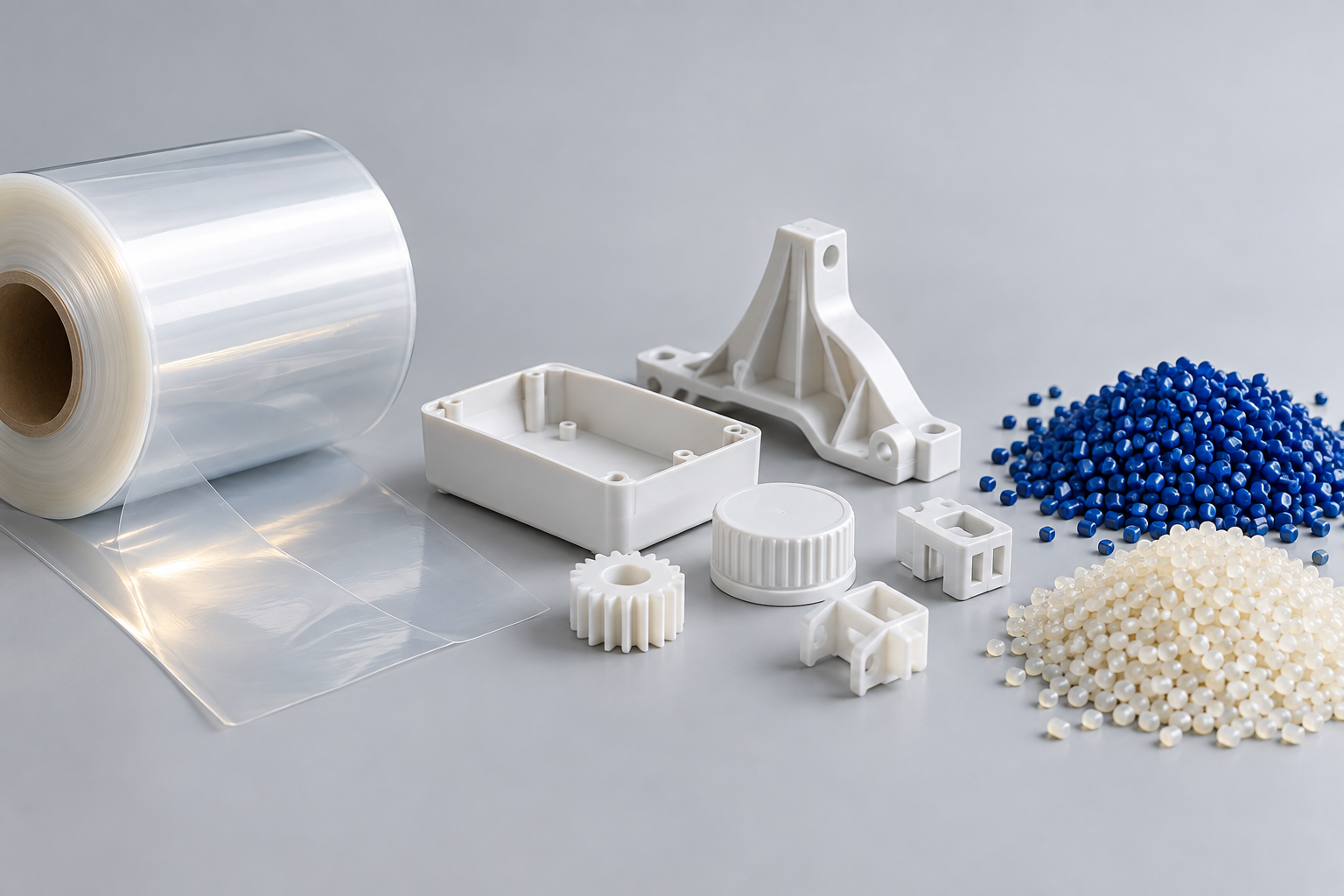
Monomer for long-chain polyamides with low moisture uptake.
Raw material for DOS, DBS and other sebacate esters.
Used in polyester polyols, alkyds, powder coatings and corrosion inhibitors.
25 kg net bags or cartons with a PE inner liner. Palletized; private-label packing on request.
Keep sealed in a cool, sec, ventilated place away from heat and direct sun. See the SDS for full handling details.
Typically 3–15 business days from order confirmation, depending on quantity. GOUSSET, CIF or DAP to major ports.
Pureté, Couleur, moisture and ash are the usual acceptance checks. List the limits on your incoming-inspection sheet so we quote against them.
Run the sample in your own process and compare it with your current material before switching.
Confirmer l'emballage, le volume, destination and the documents you need (COA, FDS, origin or bio-based statements) avant la première commande.
Start with your application, quantité et destination. Add your current specification and we will quote against it.
| Information | Example |
|---|---|
| Polymer / Material | PP, PE, abdos, composé, mélange maître |
| Application | Injection molding, extrusion, film, fibre |
| Current additive | Grade or supplier you use today |
| Required specification | Your TDS, COA or key limits |
| Quantity | Trial order / monthly / annual volume |
| Emballage | Standard 25 kg or specific requirement |
| Destination | Country and port |
| Documents needed | COA, FDS, ATTEINDRE, food-contact statement |
It is produced from castor oil. If you need a bio-based content statement or test, tell us the method you require.
Polymer synthesis needs the high-purity grade with tight color and metal limits. Send your incoming specification.
25 kg bags are standard; larger bags on request.
Oui. Tell us the polymer, the test you plan to run and the quantity you need. Samples ship with a COA so you can compare the lot against your current material.
Send us the agreed specification and the COA showing the difference (parameter, unit and test method). We check it with the production batch record before you accept the material, and replace or re-test where the lot is out of specification.
Send your application, specification and quantity to request a quotation or supporting documents.